


Puja for Ancestors
For divine blessings, peace, and spiritual prosperity
Select Your Puja Package
Shubh Sankalp Puja
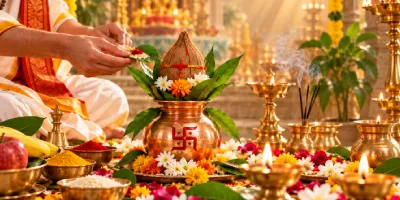
- Puja performed in the devotee's name.
- WhatsApp confirmation after puja completion.
Mangal Ashirwad Puja
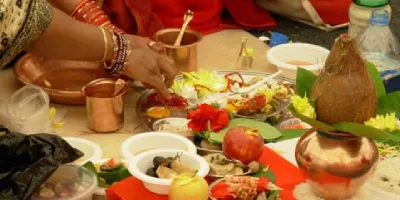
- Puja performed in the devotee's name.
- WhatsApp confirmation after puja completion.
- Personalised sankalp with the devotee's name and gotra, where applicable.
Divya Kripa Puja
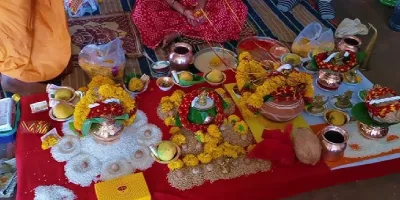
- Puja performed in the devotee's name.
- WhatsApp confirmation after puja completion.
- Personalised sankalp with the devotee's name and gotra, where applicable.
- Recorded puja video.
Divya Darshan Puja
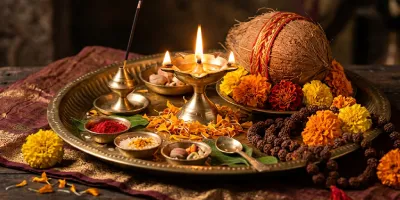
- Puja performed in the devotee's name.
- WhatsApp confirmation after puja completion.
- Personalised sankalp with the devotee's name and gotra, where applicable.
- Recorded puja video.
- Prasad delivered to the devotee's address.
Maha Anugrah Puja
- Puja performed in the devotee's name.
- WhatsApp confirmation after puja completion.
- Personalised sankalp with the devotee's name and gotra, where applicable.
- Recorded puja video.
- Prasad delivered to the devotee's address.
- Live video call or viewing of the puja, subject to temple availability.
Maha Divya Sankalp Puja
- Puja performed in the devotee's name.
- WhatsApp confirmation after puja completion.
- Personalised sankalp with the devotee's name and gotra, where applicable.
- Recorded puja video.
- Prasad delivered to the devotee's address.
- Live video call or viewing of the puja, subject to temple availability.
- Personal interaction with the pandit after the puja, where available.
About This Puja
- To offer prayers to the ancestors.
- To gain ancestors’ blessings for the family.
- To let the deceased soul transcend to Moksh.
- To ensure family peace and harmony.
- To remove all obstacles and health problems.
Online puja for Ancestors, also known as Pitri Paksh, Pitru Paksh, Pitr Paksh or Shraddh, is a 16–lunar day period in Hindu calendar when Hindus pay homage to their ancestor (Pitrs), through food offerings. The Hindu Online Puja ceremony is considered to be inauspicious, as it has a death rite performed throughout the ceremony.
In southern and western India, it falls in the 2nd Paksh (fortnight) Hindu lunar month of Bhadrapada (September), and follows the fortnight immediately after Ganesh Utsav. It begins on the Pratipada (first day of the fortnight) and ends on the no moon day known as Sarvapitri Amavasya, Pitri Amavasya, Peddala Amavasya, and Mahalaya Amavasya.
The performance of Shraddh’s Pitra Dosh Puja Online is usually done by the eldest and/ or son in the house. According to the Hindu epics, when the legendary donor Karn in Mahabharata died at war, his soul transcended to heaven. However, he was given gold and jewels to eat there as food.
Since he needed real food, he asked Yam the reason why he was being served gold for food. Yam answered that Karn had donated gold all his life but he never donated food for his ancestors. Karn answered that he never knew he had any so he did not do anything in their memory.
To change the present situation, God Yam allowed Karn to return to Earth for a time period of 15 days. At the time, Karn donated food and water, and performed Shraddh in his ancestors’ memory.
When he returned back to YamLok, he had no shortage of food and water anymore. This period became known as Pitri Paksh, and in some legends, the God of Death Yam is replaced by the King of Gods Indra.